
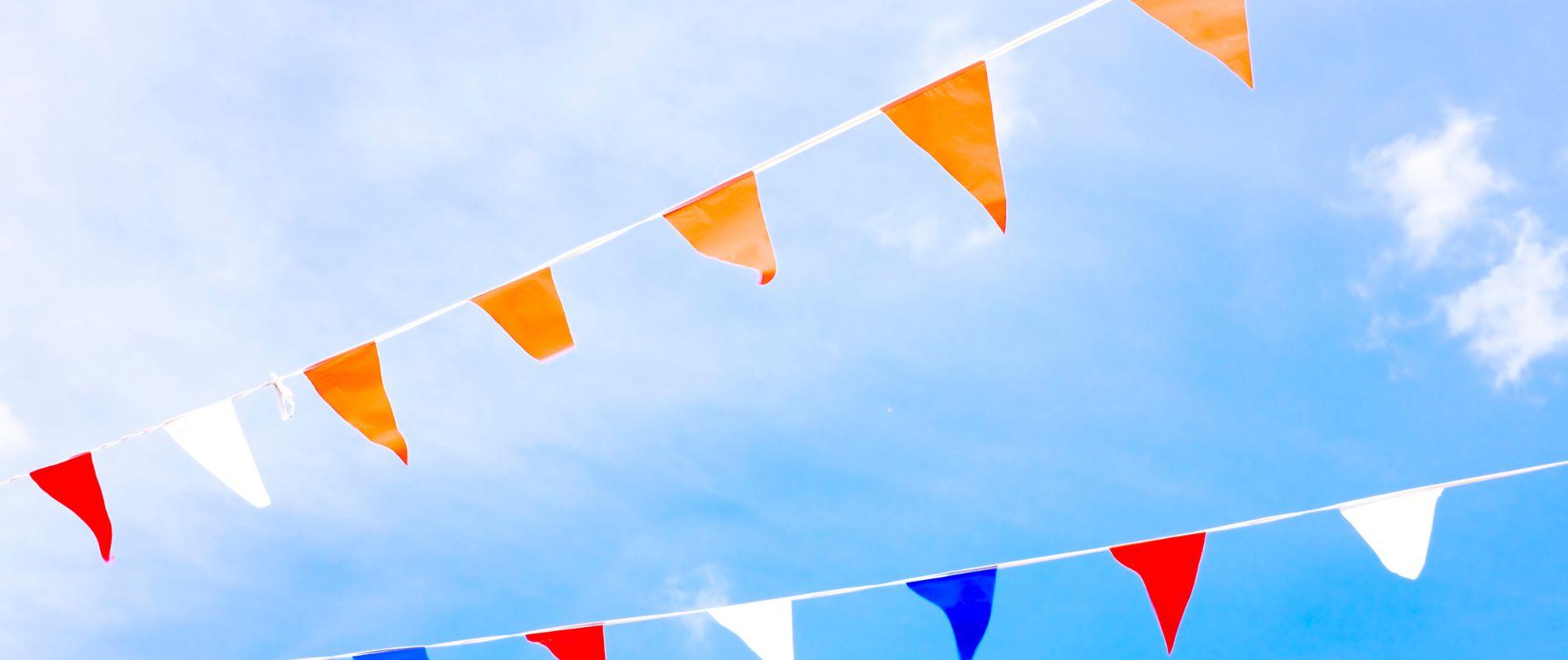
The Dutch are known for their enthusiasm and pride when it comes to the Dutch national team. This enthusiasm is nowhere more evident than in the streets of the Netherlands, which often glow bright orange when the team plays. But why exactly do the Dutch do this? What's behind this colorful tradition? You can read all about it here.
The color orange
The color orange is inextricably linked to the Netherlands, and that has everything to do with the Royal House of Orange-Nassau (whatever you think of it ;-)). William of Orange led the Dutch Revolt against Spanish rule in the 16th century. Since then, orange has been declared the national color of the Netherlands, and it is used to express national pride and unity.
Also read 👉 10 things you didn't know about the color orange
Football and national unity
Football is more than just a sport in the Netherlands; it's a shared passion that brings people of all ages and backgrounds together. The Dutch national team, also known as "Oranje," is a source of national pride. When the team plays, especially during major tournaments like the World Cup or European Championship, the Dutch feel a strong need to show their support. This happens not only by watching the matches together, but also by decorating our houses and streets with festive decorations and dressing ourselves in orange.
Decoration as an expression of support
Decorating streets with flags , streamers, and other decorations is a way for many Dutch people to express their support for the Dutch national team. These decorations create a festive atmosphere that brings people together and strengthens the sense of unity. It's a visual spectacle that shows how proud people are to support their team. For visitors from home and abroad who want to experience these national events during a city break, travel agencies with Amsterdam combo tickets offer a convenient way to combine festive experiences with popular attractions and city tours.
Community spirit and conviviality
Besides showing support, decorating streets also plays an important role in fostering a sense of community and camaraderie. Neighbors often work together to decorate their streets with the cheerful orange decorations , which strengthens bonds. During tournaments, street parties and neighborhood barbecues are often organized, where everyone comes together to watch and celebrate the matches.

Historical roots
The tradition of decorating streets also has historical roots. It all began in the 1970s, when the Dutch national team was becoming increasingly successful on the international stage. Especially during the 1974 World Cup , where the Netherlands reached the final, people began decorating their streets to show their support. Since then, the tradition has grown, but the core remains the same: celebrating national pride and unity.
The effect on the players
While it's difficult to measure, many believe that fan support positively impacts the Dutch national team's performance. The sea of orange in the stadiums and the decorated streets at home give the players an extra boost of motivation and pride, knowing that an entire nation is behind them.

Proud
Decorating streets with orange flags and other decorations when the Dutch national team plays is a vibrant and joyful tradition deeply rooted in Dutch culture. It's an expression of national pride, a way to show support, and an opportunity to foster a sense of community and conviviality. Whether it's a small street or an entire neighborhood, the orange decorations are a colorful reminder of the Dutch people's shared passion and pride for their team. So the next time you see an orange-decorated street, you'll know it's not just about decoration, but about a deeply rooted tradition of togetherness and national pride.










Interesting? Share with someone:
The importance of being happy with your work
Jumping on a trampoline this summer!