

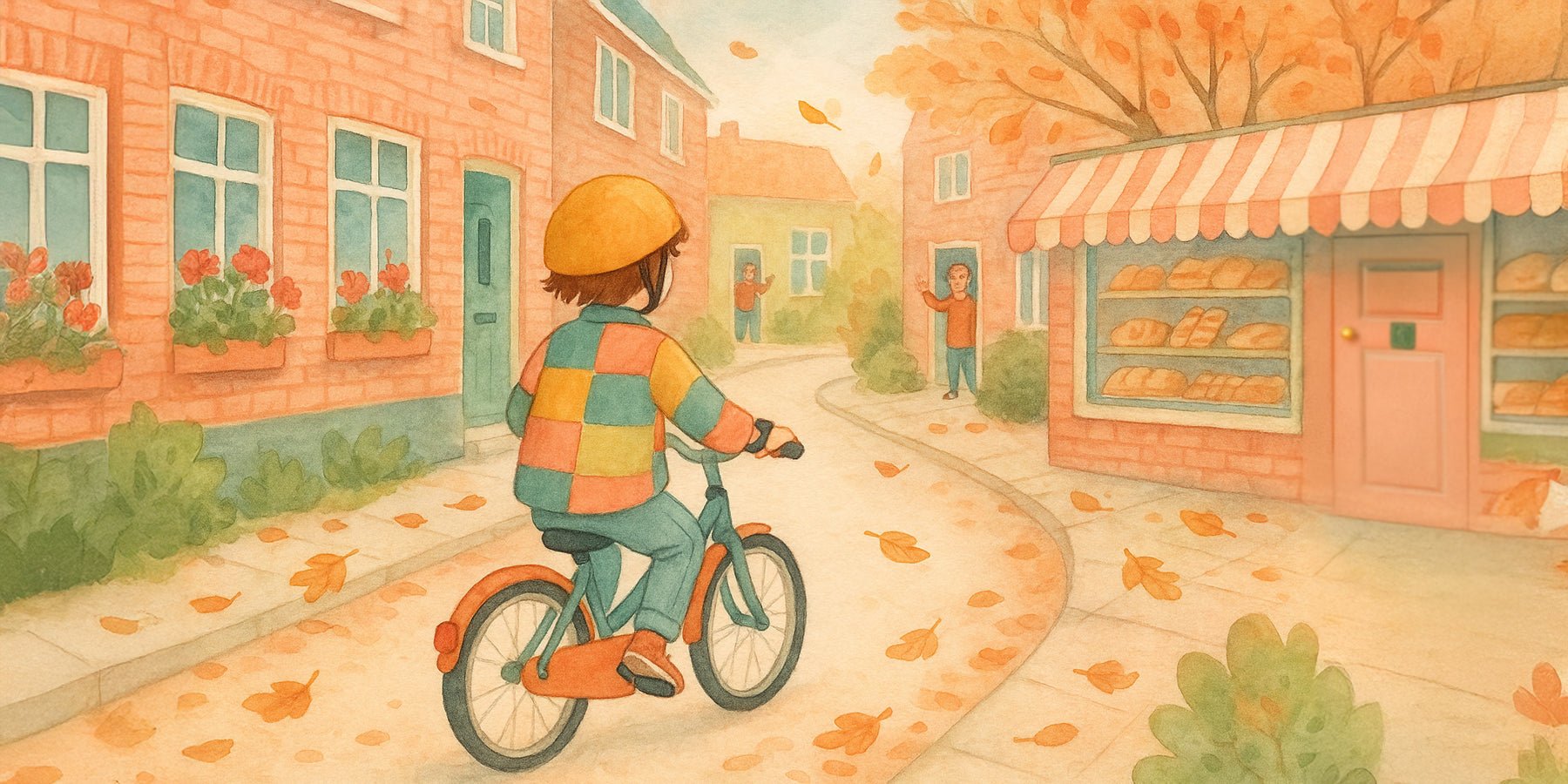
De meeste ouders herkennen het moment dat je kind voor het eerst alleen naar school, de speeltuin of de supermarkt wil. Aan de ene kant ben je trots dat je kind zo zelfstandig wordt, aan de andere kant voel je een lichte knoop in je maag. Wat als er iets gebeurt, wat als je kind verdwaalt of laat is en zijn telefoon niet opneemt? Kinderen willen ontdekken, jij wilt veiligheid en rust. Tussen die twee werelden ontstaat een interessante speelruimte waar slimme oplossingen écht verschil maken.
Een van die oplossingen is een kinderhorloge met gps en belfunctie. Geen volwaardige smartphone, wél een manier om in contact te blijven en een oogje in het zeil te houden. Voor veel families wordt een smartwatch kind daardoor een soort digitale zijwieltje: tijdelijk extra steun, zodat je kind stap voor stap zelfverzekerd en veilig de wereld in kan.
Wat maakt een kinder smartwatch anders dan een gewone smartwatch?
Een kinder smartwatch is in de basis ontworpen met drie dingen in gedachten: veiligheid, eenvoud en speelsheid. Waar een volwassen smartwatch vaak vol zit met productiviteitstools, berichtenapps en sportfuncties, draait het bij een kinderhorloge vooral om bereikbaarheid, locatie en duidelijke grenzen. Dat geeft ouders overzicht, zonder dat kinderen worden overladen met prikkels.
Veel modellen hebben bijvoorbeeld een beperkt aantal contacten die kunnen bellen of gebeld mogen worden. Zo voorkom je dat onbekenden contact zoeken en houd je de kring klein en vertrouwd. Ook zitten sociale media, internet en andere afleidende apps er meestal niet op. Voor kinderen voelt het horloge vooral als een stoer gadget waarmee ze “net als grote mensen” een horloge dragen en kunnen bellen, terwijl jij weet dat het juist rustig en veilig is ingericht.
Gps en veilige zones: een onzichtbare hand op de schouder
Gps-functies maken het mogelijk om te zien waar je kind ongeveer is en om veilige zones in te stellen. Denk aan school, de sportclub, oma of het park in de buurt. Komt je kind aan of verlaat het een gebied, dan krijg je een melding op je telefoon. Dat voelt een beetje als een onzichtbare hand op de schouder: je hoeft niet voortdurend te controleren, maar je wordt wel geïnformeerd als er echt iets verandert.
Voor kinderen geeft dit juist vrijheid. Ze mogen bijvoorbeeld zelf naar het voetbalveld fietsen, omdat jij weet dat je het in de gaten kunt houden. Je hoeft niet bij elke regenbui of file in paniek te raken, omdat je met een snelle blik kunt zien of ze al op school of thuis zijn aangekomen.

Balans tussen vrijheid en controle: zo voorkom je dat het “te veel” wordt
Met alle mogelijkheden van gps en bellen ligt overbezorgdheid op de loer. Je zou de locatie non-stop kunnen checken, elke minuut kunnen appen of bellen en daardoor juist méér spanning voelen. De kunst is om een kinder smartwatch niet te gebruiken als controle-instrument, maar als hulpmiddel voor vertrouwen. Dat begint bij duidelijke afspraken en open communicatie.
Leg je kind uit waarom je het horloge fijn vindt: zodat je weet dat het veilig is, zodat jullie elkaar makkelijk kunnen bereiken als er iets is en zodat zelfstandigheid leuk én veilig blijft. Spreek af wanneer je belt (bijvoorbeeld alleen als het belangrijk is), en dat jij niet elke paar minuten vraagt waar je kind is. Zo voelt het horloge voor je kind als steun in plaats van een digitale politieagent.
Privacy en leeftijd: wat is passend?
Bij jonge kinderen kan het geruststellend zijn om wat vaker te checken of ze veilig op school zijn aangekomen. Naarmate kinderen ouder worden, groeit hun behoefte aan privacy en ruimte om fouten te maken. Probeer daar flexibel in mee te bewegen. Misschien spreek je met een tienjarige af dat gps vooral handig is bij lange fietsritten of als hij ’s avonds alleen van sport naar huis gaat, en dat je niet zomaar de hele dag meekijkt.
Je kunt ook samen regels maken: je kind draagt het horloge buiten, maar hoeft het binnen niet om. Of jullie spreken “checkmomenten” af, zoals alleen bij vertrek, aankomst en als er iets geks gebeurt. Door je kind hier actief in te betrekken leert het zelf nadenken over veiligheid en digitale grenzen.
Praktische momenten waarop een kinder smartwatch echt verschil maakt
Veel ouders merken pas hoe waardevol een kinder smartwatch is op de momenten dat er iets onverwachts gebeurt. Misschien blijft je kind langer op het schoolplein hangen, terwijl jij in de file staat. Misschien moet oma plotseling eerder naar huis en is de oppas onderweg. Eén snel belletje of spraakbericht is dan genoeg om iedereen gerust te stellen.
Ook bij drukke uitjes, zoals een pretpark of festival, kan een horloge met gps rust geven. Spreek een ontmoetingspunt af, zorg dat je kind weet hoe het jou kan bellen en dat jij, als het echt nodig is, de locatie kunt nakijken. In plaats van constant “dichtbij blijven!” te roepen, kun je je kind af en toe een klein stukje vooruit laten lopen zonder dat je hartslag omhoog schiet.
Zelfstandigheid trainen in kleine stapjes
Een mooi uitgangspunt is om zelfstandigheid in kleine, haalbare stukjes op te delen. Eerst alleen naar de brievenbus aan het eind van de straat. Later naar het speeltuintje om de hoek. Dan naar school of de bakker. Het horloge is in al die fases hetzelfde, maar jullie afspraken veranderen mee met de leeftijd en ervaring van je kind.
Je kunt er zelfs een klein “missiespel” van maken. Op een kaartje schrijf je een opdracht: “Loop zelf naar de bibliotheek, stuur een spraakbericht als je er bent en kom dan weer naar huis.” Na afloop praten jullie na: wat ging goed, wat was spannend, wat zou je de volgende keer anders doen? Zo leer je kinderen verkeersinzicht en zelfvertrouwen, terwijl jij altijd binnen belbereik blijft.
Handige functies die het dagelijks leven net wat luchtiger maken
Naast veiligheid en bereikbaarheid hebben veel kinder smartwatches extra functies die het dagelijks leven soepeler laten verlopen. Denk aan een eenvoudige agenda of herinneringen waardoor je kind zelf een seintje krijgt dat het tijd is om naar sport te vertrekken of zijn gymtas moet inpakken. Dat scheelt jou gehaaste “schiet op!”-momenten bij de voordeur.
Er zijn horloges met stappentellers en kleine uitdagingen, zoals “haal vandaag 6.000 stappen”. Dat maakt bewegen speelser en helpt om schermtijd op andere apparaten een beetje in balans te brengen. Sommige kinderen sparen digitale beloningen als ze actief zijn geweest, anderen vinden het al leuk om te vergelijken hoeveel stappen zij hadden op een dag dat ze buiten speelden met vrienden.
Contact zonder afleiding
Een groot pluspunt van een kinder smartwatch ten opzichte van een smartphone is de beperkte afleiding. Geen oneindige hoeveelheid apps, games en sociale media, maar een paar heldere functies: bellen, locatie, misschien een simpele chat of spraakbericht. Voor veel ouders voelt het als de gulden middenweg: je kind is bereikbaar en heeft een stoer apparaat om zijn pols, terwijl zijn aandacht grotendeels in de echte wereld blijft.
Dat maakt het horloge ook geschikt voor kinderen die nog niet toe zijn aan een eigen telefoon, maar voor wie een sleutel en een adreskaartje niet meer genoeg zijn. Het voelt moderner, sluit aan bij hun belevingswereld, en toch houd je de digitale drempel bewust laag.
Wanneer voelt een kinder smartwatch als een goed idee?
Er is geen vaste leeftijd waarop een kinder smartwatch “hoort”. Het hangt meer af van jullie gezinssituatie en van het karakter van je kind. Gaat je kind al zelf naar school, logeert het geregeld bij vriendjes of opa en oma, of wonen jullie in een drukke stad waar je soms even het overzicht kwijt bent? Dan kan een horloge met gps en belfunctie extra rust geven.
Ook bij gescheiden ouders kan het een fijn hulpmiddel zijn. Kinderen kunnen zonder tussenkomst van volwassenen zelf bellen als ze iets willen vertellen of een vraag hebben. Dat vergroot hun gevoel van autonomie. Terwijl jullie als ouders weten dat áls er iets misgaat, er altijd een simpele manier is om elkaar te bereiken.
Een positief hulpmiddel, geen noodrem
Het mooiste is als een kinder smartwatch voelt als een positieve toevoeging aan jullie dagelijks leven in plaats van een noodgreep omdat je je voortdurend zorgen maakt. Zie het als een extra laagje veiligheid dat zelfstandigheid ondersteunt, niet vervangt. Je blijft oefenen met verkeersregels, je blijft afspraken maken over op tijd komen, je blijft kinderen leren hoe ze hulp vragen aan vertrouwde volwassenen in de buurt.
Met de juiste verwachtingen, duidelijke afspraken en een vleugje speelsheid kan een kinder smartwatch bijdragen aan precies dat waar veel ouders naar zoeken: kinderen die met twinkelende ogen de wereld intrekken, terwijl jouw ouderhart rustig blijft kloppen.








Interessant? Deel met iemand:
6 x Sieraden die de feestdagen extra bijzonder maken
Kleine keuzes, groot verschil: energiezuinig leven met slimme verwarmingsoplossingen