
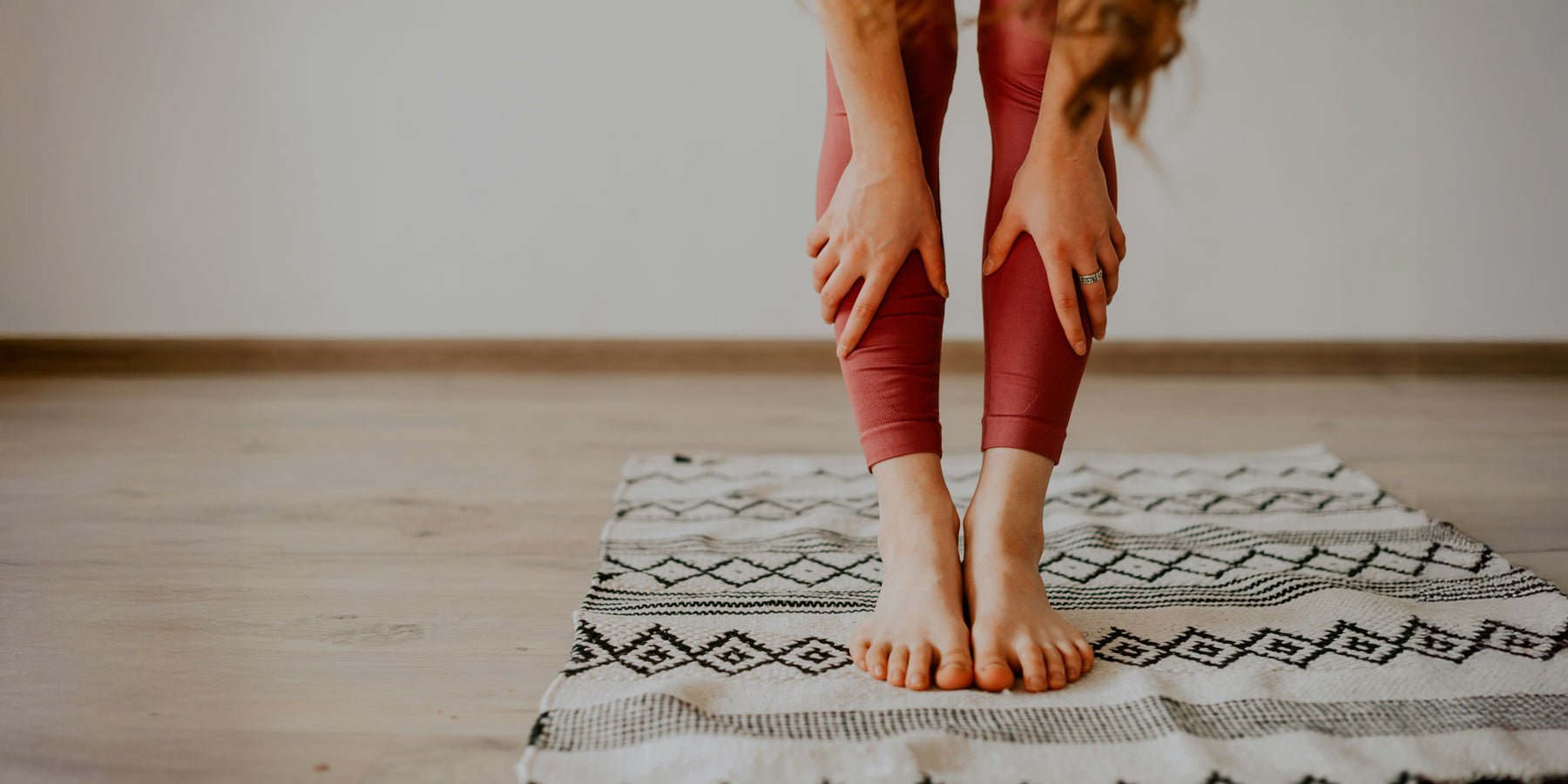
Why a dedicated yoga corner works. Most home yogis know the feeling: you roll out your mat between the chairs, find a quiet corner, and suddenly the doorbell buzzes. A dedicated spot in your home makes your yoga session more stable and easier to maintain. It's a visual reminder to switch to peace, even if it's only for ten minutes. Plus, you have less to organize: your mat and props are ready, and your body recognizes the setting. This way, concentration comes faster and relaxation becomes deeper.
Such a corner doesn't have to be a room. A piece of floor by the window or next to your bookcase can be enough. Think in zones. Your mat is on the floor, a basket of props next to it, and a small surface at eye level is for inspiration, like a card with an intention. With a designated spot, you turn good intentions into a lasting ritual.
The basics: mat, props and storage space
Which mat suits you?
Your mat is the foundation for your practice. For calm yin and meditation, comfort is important, and you often choose something thicker. For dynamic vinyasa, grip and stability are more important. If you sweat easily, a moisture-wicking top layer is beneficial. If you're tall, consider the length and choose a mat that's slightly longer than you. If you're looking for materials and sizes, Yogawinkel offers a handy comparison of specifications, from cork to TPE, to help you make a more informed choice.
Props that make a difference
A block under your hand, a strap for hip openers, or a bolster for savasana make poses more accessible and comfortable. Consider two blocks for symmetry, a soft blanket for knees, and an eye pillow for landing. Props aren't just tools for when you can't do something; they're tools that deepen your practice. Keep them within reach so you'll actually use them.
Smart storage
If your mat keeps disappearing into the back of a closet, you'll lose momentum. A simple hook on the wall, a basket, or a narrow shelf can make all the difference. Roll up your mat loosely, tuck the belt inside, and slide blocks upright next to each other. This creates a calming effect, and tidying up becomes part of your cool-down.

Light, sound and smell
Light determines your focus. Morning light is bright and active, ideal for flow. Evening light is warmer and encourages slow stretches. Place your mat perpendicular to the window to avoid direct sunlight in your eyes. A simple curtain or blind filters bright light without darkening the room. Candlelight works well for a calm session, provided it's safe and well ventilated.
Sound can be a source of inspiration or a distraction. A soft, rhythmic playlist helps you with sun salutations, while nature sounds support breathing exercises. If you have housemates, schedule time slots or use comfortable headphones. Scent has an associative effect. A few drops of lavender on a cloth or a light spray can make your space a sensory anchor without being overpowering.
Routine that sticks
Make your practice small enough to become unavoidable. Five sun salutations on weekdays, a longer practice on weekends. Link it to an existing habit, for example, after brushing your teeth or as soon as the coffee is brewing. Set up your mat in the evening. This detail removes barriers and gives your mornings a calming start.
Work with themes each week. Think about balance, hips, shoulders, or breathing. Write down one focus point on a piece of card and place it near your mat. This way, you avoid having to think about what to do every time. A few favorite sequences in your head or a short video as a guide can help when your energy is low.
Hygiene and maintenance
A clean mat feels inviting. After each session, wipe away sweat and dust with a slightly damp cloth. Use a mild cleaner suitable for your material every week and avoid harsh alcohol on rubber. Let the mat dry flat, out of the sun. This will maintain grip and prevent cracking. Ventilate your area regularly and fluff blankets and pillows.
Give your props a regular check. Are your blocks still sturdy, is your belt not torn, is your towel slipping? Small maintenance intervals keep your practice safe. Store scented candles and room sprays out of direct sunlight to prevent the scent from evaporating quickly.

Common mistakes and how to avoid them
The pitfall is wanting everything to be perfect before you start. Waiting for the perfect rug or an entire room will cost you momentum. Start with what you have and improve step by step. Another mistake is a corner full of stimuli. Keep wall art simple and choose two or three items that truly mean something, not a collection of random finds.
Timing can also be a problem. An overly ambitious schedule can lead to skipping. It's better to choose a minimum you always achieve and build on days with more time. And don't forget to switch gears at the end. Two minutes of savasana or a short sit will complete your session and allow you to continue your day with clear energy.
A yoga corner doesn't have to be big or expensive. It's an invitation to yourself to rest, breathe, and move in a space that resonates with you. With a well-thought-out foundation, gentle routines, and attention to ambiance, those few square meters can become your daily anchor.






Interesting? Share with someone:
Stylish accessories that immediately give a men's outfit the necessary cachet
Why a swimming pool at home brings so much happiness