
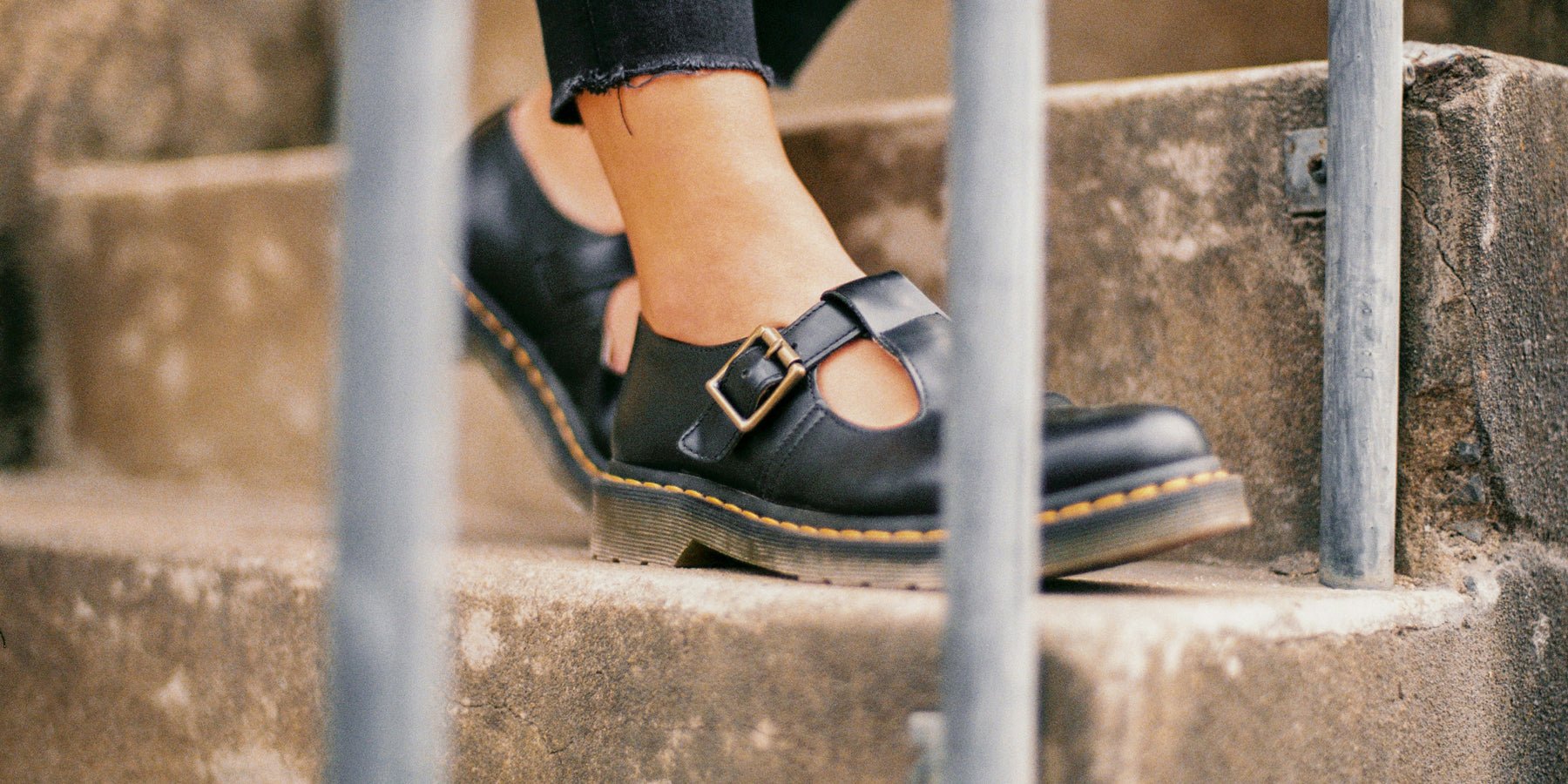
Your feet walk with you your whole life. They carry you from bed to coffee maker, across shopping streets, forests, sports fields, and dance floors. Yet, they often only receive attention when they feel tired, stiff, or tender. Yet, small adjustments to your daily routine can make a big difference in how light or heavy your steps feel.
Feet absorb shock with every step. Think of a busy workday in healthcare, a city trip with a child and stroller, or a vigorous run in the park. If shoes don't fit properly, offer little cushioning, or you're standing for long periods, this can manifest as fatigue or a nagging feeling in your feet, ankles, or legs. The good news: you have more control over your daily foot comfort than you think.
Small habits that make a world of difference
You don't have to overhaul your life to make your feet happier. Often, it's the little things that, if done consistently, make a big difference. Think of the right socks, regular stretching, or consciously choosing shoes that truly suit your movement style. An extra layer of support in your shoe, such as insoles , can help distribute the load better and thus increase your feeling of comfort.
It's important not to expect a single magic bullet, but to consider the bigger picture: how do you move, how much do you stand, what kind of work do you do, what sport do you play, how do your feet sleep at the end of the day? From that broader perspective, you can make smart choices that, together, will lead to greater relaxation in your body.
Pay attention to your posture during everyday activities
Many people only think about posture during yoga or exercise classes, but your body spends most of its time doing ordinary things: washing dishes, standing in line, commuting, ironing. If you increasingly lean on one leg, lock your knees, or arch your back, it can eventually feel heavier in your feet and legs.
Try this: while you're cooking, actively distribute your weight evenly across both feet, keep your knees slightly bent, and feel how your toes relax in your shoes. This little reset, several times a day, can already help alleviate that "leaden-in-your-legs" feeling.
How your shoes and insoles can work together
Choosing shoes is often a mix of taste, budget, and what you happen to have in your closet. Still, it's worth taking a closer look. A shoe that suits your foot type and usage will not only feel better while walking, but often also better at the end of the day.
For example, look for sufficient toe room, a sturdy heel counter, and a sole that offers sufficient cushioning for your needs. Someone who works all day on hard floors in a shop requires different things from a shoe than someone who mainly sits in an office and occasionally takes a lunchtime stroll. If you notice your feet get tired quickly, loose insoles can provide extra comfort by better distributing pressure and softening the impact of shock.
When is extra support in your shoes useful?
It's a familiar situation: those beautiful sneakers feel great at first, but after a few weeks of intensive wear, your feet quickly start to feel heavy or warm. There's nothing "wrong" with your feet, but it could be that your shoe doesn't offer enough support or cushioning for your specific use.
You might consider an insert that provides more spring under the heel, or more support under the midfoot. This can make walking more comfortable, especially if you spend long hours on your feet. Such solutions work best when paired with shoes that offer sufficient space and are suited to your activity.
Listening to your body's signals
Your body communicates all day long. A nagging feeling after a long walk, burning feet after a day of shopping, or stiff calves when you get out of bed—these are all signs that the strain has been a bit more than comfortable. There's no need to immediately take on this, but it's wise to explore what you can adjust.
This could mean anything from building in shorter walks, changing shoes more often, taking more rest periods, or building up your training more gradually. It could also mean looking for extra support in your shoes, or exercises that strengthen and increase your foot and ankle flexibility.
Simple exercises for stronger, more flexible feet
You don't need a gym to give your feet a mini-workout. You can do plenty while watching TV or drinking tea. For example, curl and stretch your toes alternately, roll the sole of your foot over a tennis ball or water bottle, or try picking up small objects with your toes.
These playful exercises stimulate the muscles in your feet and improve circulation. People often notice their feet feeling warmer and more awake after such a mini-routine. Combined with a shoe and insole that fit you comfortably, walking often feels lighter and more stable.
 Foot-friendly choices in your daily life
Besides shoes and any support, your overall lifestyle plays a role. Long-term stress, a lack of exercise, or a sudden burst of intense exercise can all affect how heavy your body feels. Try to find a balance between exertion and relaxation, especially for your feet.
A few ideas: consciously alternate heels or tight-fitting shoes with comfortable alternatives, schedule a "barefoot moment" on a soft surface indoors or in the garden to stimulate your muscles differently, and treat yourself to a foot bath or short massage every now and then. Small rituals can make a big difference in how you experience your body.
When professional help can be useful
If an unpleasant feeling in your feet or legs persists, or if you're unsure about the cause, it's wise to consult a specialist. A physiotherapist, podiatrist, or other professional can assess your gait and identify contributing factors. Sometimes these adjustments can be surprisingly simple, such as adjusting your lacing, changing your shoe type, or using specific exercises.
When advising on orthotics or sports insoles, for example, a professional can help you determine which type of support within your shoe is best suited to your daily needs. This way, assistive devices become part of a broader approach that also balances exercise, rest, and shoe choice. Brands and suppliers like Mysole showcase the diverse range of insole options in their product ranges, allowing you to find something that suits your needs.
Create your own wonderful foot ritual
You might recognize this: it's only when you finally plop down on the couch that you realize how tired your feet actually are. You can transform that very moment into a small daily ritual. Take off your shoes, gently wiggle your toes, roll your ankles, and consciously feel the soles of your feet.
Those few minutes a day will help you better understand your body's signals and make it easier to adjust accordingly. A few conscious choices about shoes, insoles, exercises, and rest periods can all make every step feel a little lighter. This way, not only will your feet be happier, but you too.









Interesting? Share with someone:
How to choose the right camper for your dream road trip
Your first time indoor skydiving: how to get the most out of your flight