

The winter months are upon us. For many households, this means cold mornings, crisp evenings, and heating that's constantly turned up a few degrees. Research shows that in Dutch homes, an average of 60 to 70% of energy costs are spent on heating.¹
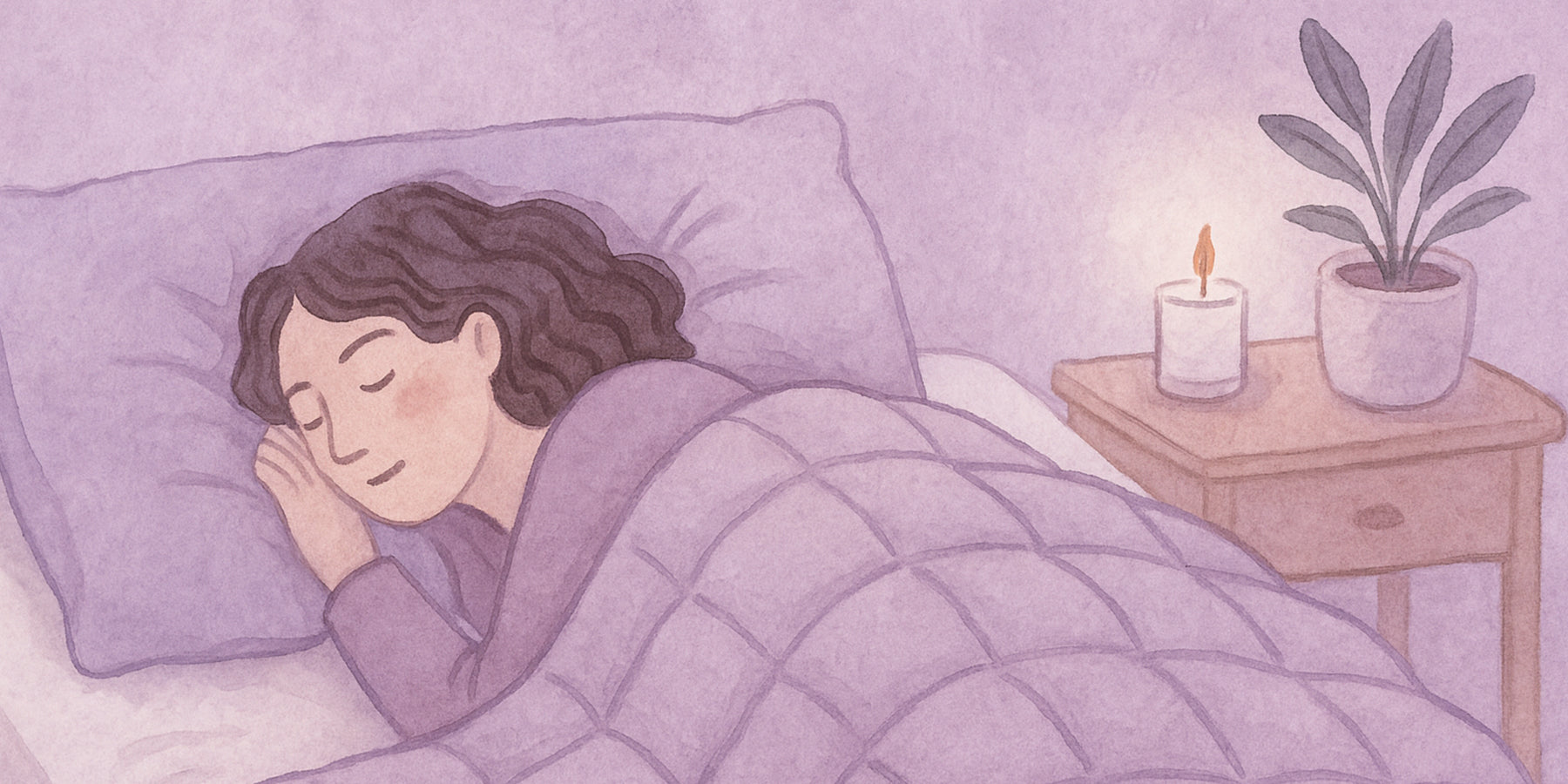
For those who want to be energy-conscious, an electric heated blanket offers a warm, comfortable solution. At Happlify, we prefer smart, sustainable solutions, and an electric blanket is a perfect fit. It provides instant warmth, allowing you to turn down the heat and save energy.
Why a heated blanket is a sustainable choice
Many people decide to take action early: turn up the heat a bit, keep the curtains closed, or wear thicker socks. But the real difference lies in the way you heat. Instead of heating an entire room or house, you can focus on your body. A heated blanket ensures that your core temperature stays warm without heating all the air in the room.
This approach offers two important advantages:
- You use significantly less energy.
- You need to use the central heating much less often or less intensively.
At a time when consumers are increasingly opting for circular and energy-efficient products, a heated blanket fits perfectly into a sustainable lifestyle.

How much energy does an electric blanket use?
To understand how significant the difference can be, let's first look at some figures. An electric heated blanket consumes an average of between 50 and 120 watts (W), depending on its size, material, and heat setting.² For comparison, a household appliance like a washing machine can easily consume 500–2,000 W during use.
Calculation: heating versus heated blanket
Situation A: Living room heating at 20 °C
Assuming the heating has an average power of 3,500 W (3.5 kW), this is a conservative estimate for a living room in an average Dutch house with normal insulation.3,4
If the heating runs for 4 hours:
3.5 kW × 4 hours = 14 kWh
At an average energy price of €0.40 per kWh → 14 × 0.40 = €5.60 per day4.5
Situation B: Using a heated blanket at 100 W
Suppose a heated blanket uses 100 W (0.1 kW). If it's on for 4 hours:
0.1 kW × 4 hours = 0.4 kWh
0.4 × €0.40 = €0.16 per day
Comparison
€5.60 – €0.16 = €5.44 savings per day
Over a 30-day month: €163.20 saved.
This calculation is based on the stated consumption and price indication; individual results may vary depending on the property, insulation, and electricity rate.

How sustainable is an electric blanket really?
Sustainability goes beyond simply saving energy. It's about efficiency, reducing waste, and extending product lifespans. Here are a few areas where heated blankets excel:
-
Efficient heating : you only heat where you are.
- Lower CO₂ emissions : less power consumption means lower emissions, especially when the power comes from fossil sources.
- Lower heat loss : because you are not heating the air or room, less heat loss occurs.
- Long lifespan : unlike disposable heaters or fleece blankets, a quality heated blanket can last for several winters.
- Reduced heating use : less intensive use of your boiler or heat pump also means less maintenance and less wear and tear.
A great example of a brand that fully embraces this is Seranova . They combine soft comfort with energy-efficient technology and sustainability considerations.
When does an electric blanket make the most difference?
An electric blanket has a significant impact in the following situations:
- In homes with average to moderate insulation: heat loss is then quite high, so lower space heating yields significant benefits.
- During seasons with cold outside air, especially autumn and winter: the need for additional heat is increased.
- When working from home or sitting in one place for a long time: you don't heat the entire floor, but only your seating or work area.
- For people who get cold quickly or for whom comfort is a top priority.
- For households that are already making sustainable choices and want to save on their energy bills.
Want to discover what sustainable options are available?
Then take a look at Seranova's heated blankets for an overview of energy-efficient and comfortable models.
Practical use of an electric blanket: tips & advice
Below are some practical tips to get the most out of your choice of heated blanket:
-
Choose medium heat settings
Many blankets on settings 2 or 3 already provide sufficient warmth. These settings minimize energy consumption. -
Use the blanket in a targeted manner
Think about your couch seat, your workspace, or your bed. Heat only where you are instead of the entire room. -
Combine with warm clothing and a lower thermostat
A warm sweater or socks will make you more likely to be satisfied with a lower room temperature. -
Close doors and limit drafts
By closing the door to rooms not in use, you limit heat loss. -
Don't forget to turn it off when not needed
Automatic switch-off is convenient, but turning it off yourself can still save you money. -
Invest in quality
A good heated blanket has reliable safety features, good heat distribution, and a long lifespan. Brands like Seranova offer this kind of quality.
Curious which heating products are best for your situation? Check out Seranova's selection guide and discover which heating product perfectly suits your needs.
Example scenarios for lower thermostat with heating blanket
Here are three scenarios that immediately show you how a heated blanket can reduce your energy consumption.
Scenario 1: Evening on the couch
Suppose you turn the thermostat down from 20°C to 17°C and use a 100 W heating blanket for 3 hours.
Savings per evening: (20 → 17 °C) ≈ 3 kW less continuous consumption × 3 hours ≈ 9 kWh difference compared to space heating. At €0.40/kWh → €3.60 per evening. Heating blanket consumes: 0.1 kW × 3 hours = 0.3 kWh → €0.12. Net savings: approximately €3.48 per evening.
For 20 evenings per month: ~€69.60.
Scenario 2: Working from home
With a lower base heating level and a heated blanket at the workplace. Assume a saving of 2 kW over 8 hours → 16 kWh → €6.40. Heated blanket: 0.1 kW × 8 hours = 0.8 kWh → €0.32. Savings: ~€6.08 per workday.
Scenario 3: Make the bedroom colder
For example, heating your room from 18°C to 14°C will reduce heat loss by ~4 kW overnight, over 8 hours → 32 kWh → €12.80. Heating a blanket for sleeping for 1 hour: 0.1 kW × 1 = 0.1 kWh → €0.04. Net savings: ~€12.76 per night.
These scenarios are indicative and provide insight into the potential. Your home, insulation value, and personal situation make a difference.
Why this choice is smart for your wallet and the planet
- Financial: lower energy bills due to reduced consumption hours and lower power demand.
- Ecological: less use of fossil fuels, lower CO₂ emissions.
- Comfort: Your body feels warm more easily, so your room temperature can drop without you feeling cold.
- Behavioral change: you become aware of what heat is really needed, instead of standard high thermostats.
- Lifespan: good heated blankets last for years, so you don't have to replace them often.
Conclusion
Staying warm in winter doesn't have to mean cranking up the heat. An electric heated blanket offers a smart, comfortable, and sustainable way to keep you warm while lowering the thermostat and saving energy.
Simple calculations like the one above show that a heated blanket can save you tens to hundreds of euros per month, especially during colder seasons. At the same time, you contribute to lower energy consumption, reduced CO₂ emissions, and a more conscious lifestyle.
At Happlify, we believe that sustainable choices don't mean compromising on comfort. And brands like Seranova deliver exactly the kind of quality that aligns with that vision: reliable heated blankets that combine comfort and energy efficiency.
This year, choose heat that works, is efficient, and feels good, for you and for the world around you.
Source references
-
Milieu Centraal - “Where does my energy go?”
Milieu Centraal explains that the largest part of energy consumption in Dutch households is used for space heating, on average 60-70%.
-
Consumers' Association - Test and explanation of electric heated blankets
The Consumers' Association states that the average power of electric heated blankets is usually between 50 and 150 watts, depending on the type and size.
-
RVO (Netherlands Enterprise Agency) & Milieu Centraal - Heat demand and insulation
Both authorities indicate that the heat demand for heating an average living room is between 3 and 6 kW, depending on insulation, outside temperature and type of heating system.
-
CBS - Household energy prices (2024–2025)
Statistics Netherlands (CBS) reports that the average price per kWh for Dutch households is between €0.30 and €0.45, depending on the contract and provider.
-
Milieu Centraal - “Heat loss in the home”
Information about heat loss through uninsulated walls, windows, ventilation and cracks, which causes additional heating losses and a higher heat demand.








Interesting? Share with someone:
How to make exercising at home a pleasant habit
The iconic blue jar of Nivea cream: nostalgia, science or pure hype?