
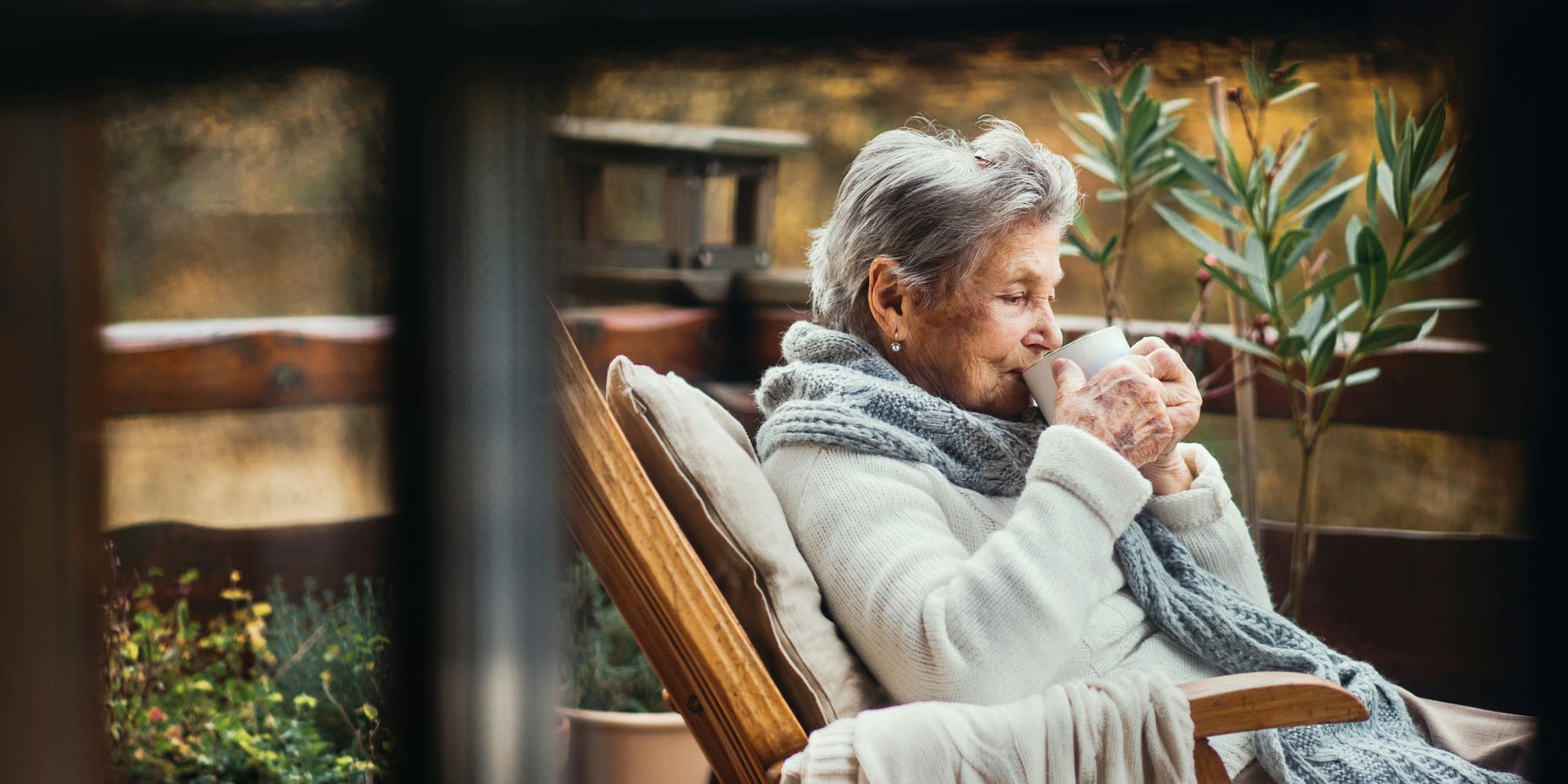
Why a personal alarm provides peace of mind. When Grandma Els lost her confidence after a fall in the bathroom, her family immediately noticed. She walked less, skipped gym, and increasingly skipped showers. A simple emergency solution gradually gave her back control. Not because trying new technology is daunting, but because the idea that you can reach a trusted person with a single push of the button makes everything easier. A personal alarm isn't a luxury. It provides practical peace of mind for those who want to continue living independently, and for the people around them who can confidently go grocery shopping or plan a night out.
Important choices: carrier, range and reporting route
Carrier: around the neck, wrist or in the pocket
What feels comfortable is actually worn. A pendant is lightweight and clear, a wrist version looks like a watch and feels familiar, and a compact button in a jacket pocket is inconspicuous. Look for water resistance suitable for use in the bathroom, a button that's easy to feel, and a subtle design that complements clothing and skin. Try different straps and cords and see if the operating sound is audible.
Range: at home or on the road
If you're mostly staying in and around the house, a base station with coverage throughout your home and garden is sufficient. If you enjoy hiking or exploring, choose a model with a cellular connection and GPS. Check battery life and ease of charging. A magnetic charger near your favorite chair makes daily charging effortless.
Report route: who is called
Determine the order of events beforehand. First, a partner or neighbor, then a child, or directly a 24/7 emergency call center that connects the call. Configure the fall detection behavior to minimize unwanted alerts and ensure a real emergency is received quickly. Agree together on how to recognize a test alarm and how to properly dismiss it.
For a quick overview of models and options, check out our compact guide to Alarm Button options so you can see what suits you best at home or on the go.
Smart start: testing and routines
An aid only truly works if it's integrated into your daily routine. Choose a fixed charging time, for example, during the news. Schedule a monthly test with someone from your phone circle. Practice a scenario in the shower and check if the button is easily accessible with wet hands. Keep a spare cord in the bathroom and keep a quick reference guide in your bedside drawer. Small habits make a big difference.
Fall prevention remains number one
Prevention is better than any alarm. Remove loose rugs, install non-slip shower mats, provide good slippers with grip, and perhaps install a nightlight with a motion sensor. Also consider simple sensors that detect nighttime movements or prolonged absences of activity, especially if someone lives alone.
Privacy, sense of control and design
Technology should support, not take over. Choose solutions that only share location or activity when an alarm is triggered. Check whether you can customize notification routes and sensitivity. Many people appreciate a discreet look that doesn't overly medicalize. Lightweight materials and a subtle color help ensure the jewelry or cord complements any outfit.
Costs, subscriptions and reimbursements
There are basically two models. You can buy a device and manage your own call circle, or you can opt for a subscription with a control room and service. Besides the purchase or rental fee, expect monthly connection costs. Ask your municipality about any Wmo (Social Support Act) options and check whether your health insurance offers reimbursement in a supplementary package. Transparency about cancellation periods and maintenance is helpful, especially if you want to trial use first.
Involve your circle: informal care cannot do everything
An alarm works best with clear agreements. Who answers during the week, who on weekends, and who has a key or access via a key safe. Agree on a code word for test notifications. A neighborhood app can help keep communication lines short on the street without everyone having to be on standby all the time. Organizations like Leefsamen often publish clear overviews and explanations that you can use as a guide during family meetings.
Quick checklist for your choice
Safety
Waterproof where needed, reliable connection indoors and outdoors, fall detection that adapts to the wearer's behavior and a clear test function.
Ease of use
Large, tactile button, confirmation with light or vibration, easy charging, comfortable cord or band and a design that someone likes to wear.








Interesting? Share with someone:
The lifespan of wooden fences: what you can expect per wood type
Fakes recipe: Greek comfort soup for a Dutch snotty autumn